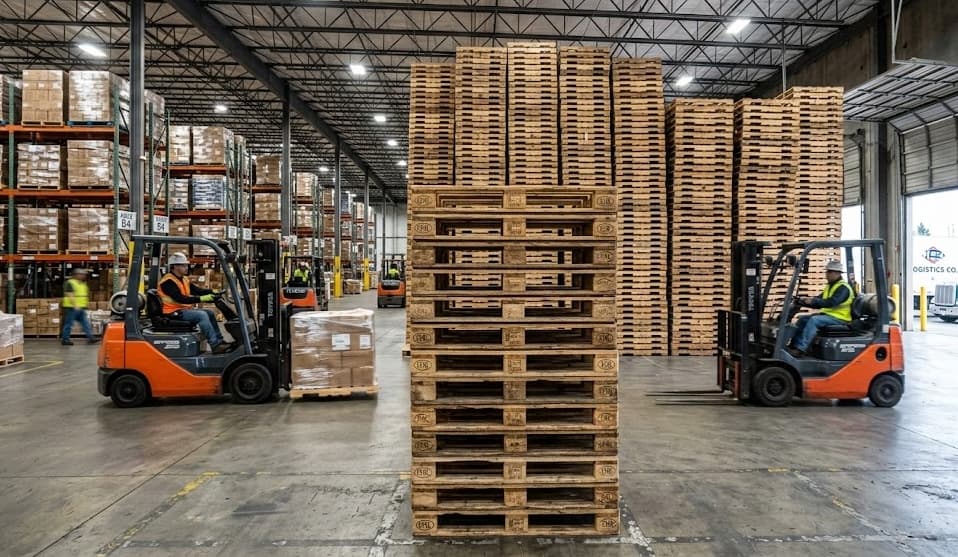
If you've ever tried to buy pallets in September and found prices higher than usual or inventory tighter than expected, you've experienced seasonal pallet demand firsthand. Understanding these patterns can help you plan ahead and save significantly.
The Demand Cycle
Pallet demand in the United States follows a predictable annual pattern tied to agricultural harvests, holiday retail, and manufacturing cycles. Demand typically begins rising in late summer, peaks in September through November, and subsides in January and February.
The fall peak is driven by the agricultural harvest season (fruits, vegetables, grains all ship on pallets), pre-holiday retail inventory buildup, and end-of-year manufacturing pushes.
Impact on Pricing
During peak season, pallet prices can increase by 15-30% compared to off-season rates. This is simple supply and demand — more buyers competing for the same pool of available pallets drives prices up. Recycled pallet availability can also tighten as recyclers' inventories are drawn down faster than they can be replenished.
How to Plan Ahead
The best strategy is to buy pallets during the off-season (December through May) when prices are lower and selection is better. Even if you don't need them immediately, the savings from buying off-season can easily offset the cost of storing them for a few months.
Build a relationship with a reliable pallet supplier who can give you advance notice of price changes and reserve inventory for your needs. At Sacramento Pallet Co., we work with our regular customers to forecast their needs and ensure availability even during peak season.
Other Factors Affecting Supply
Beyond seasonal cycles, pallet supply can be affected by lumber market conditions (lumber prices directly impact new pallet costs), weather events that disrupt logging operations, economic cycles that increase or decrease overall freight volumes, and regional factors like proximity to agricultural areas.
The Bottom Line
Plan your pallet purchasing strategy around seasonal demand cycles. Buy ahead when prices are low, build a buffer stock before peak season, and partner with a supplier who understands your needs. A little planning can save you 15-30% on your annual pallet spend.